The Recommendation Framework establishes an adaptive and inclusive model for managing tourism sustainably in Kodaikanal.
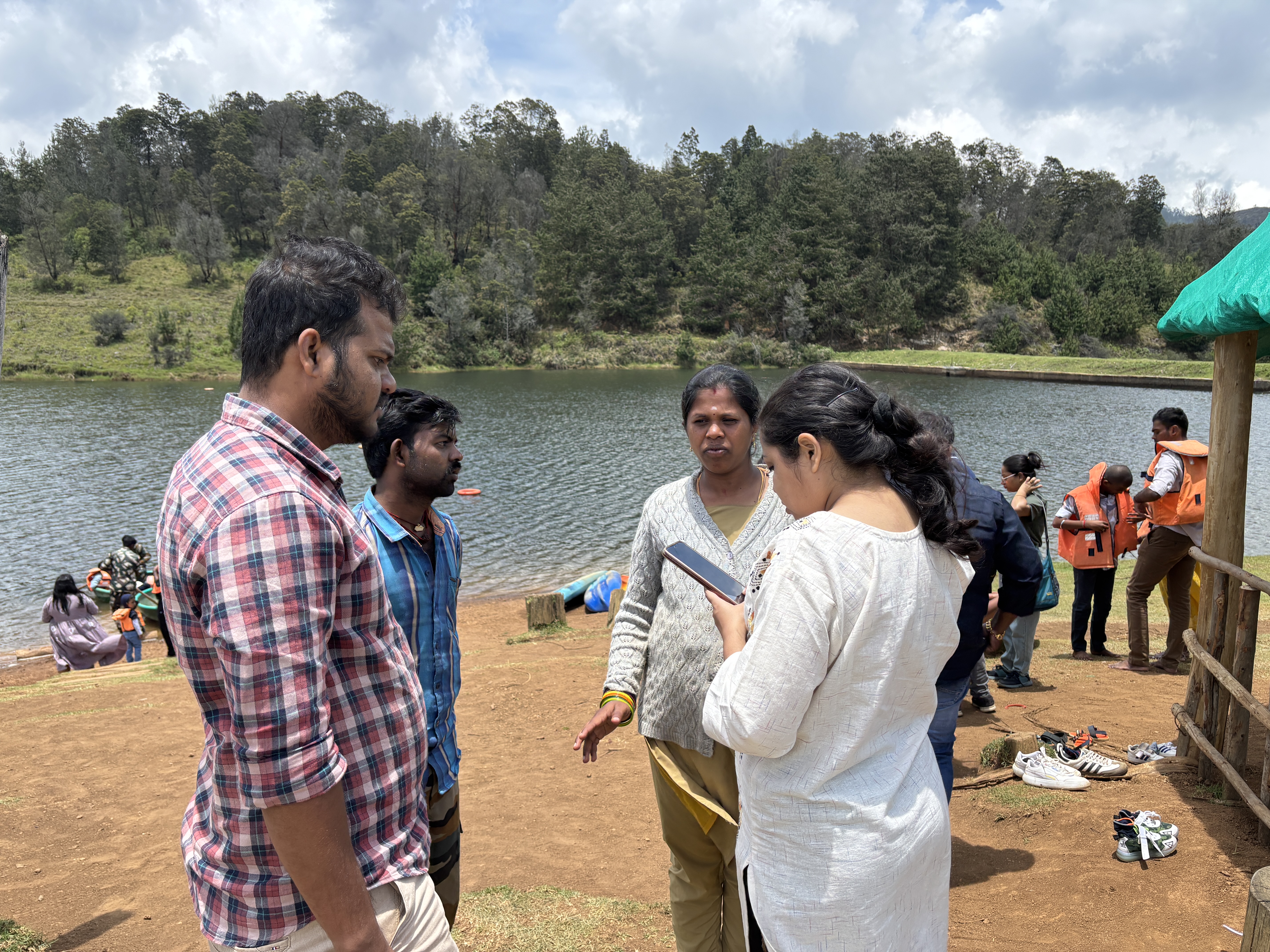
Introduces flexible visitor caps that adjust to seasonal, climatic, and site conditions, preventing overuse during peak periods.
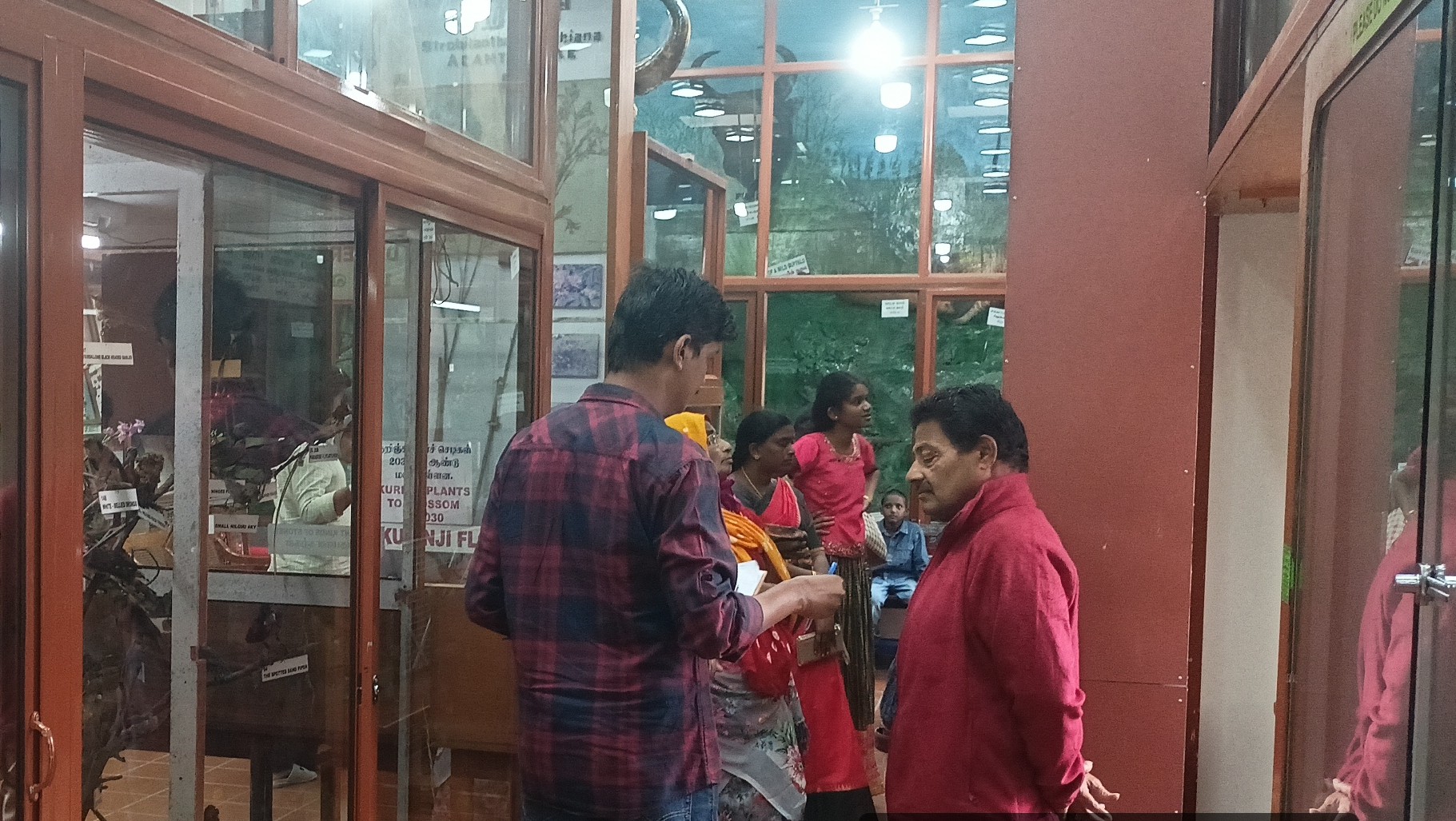
Integrates climate sensitivities and environmental indicators to ensure tourism planning remains responsive and resilient.
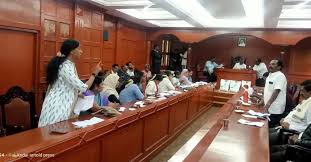
Strengthens local involvement through workshops, awareness programs, and stakeholder committees for collective stewardship.
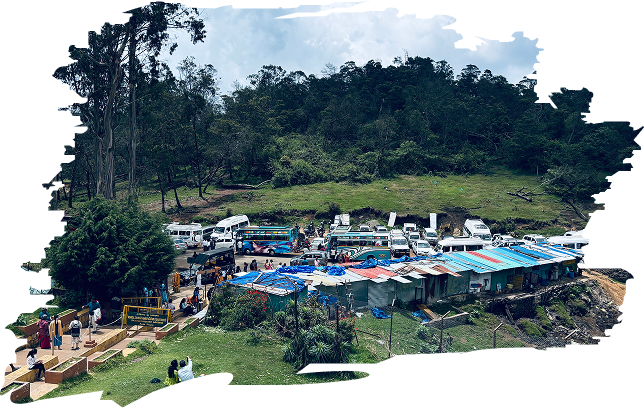
The next phase of the Tourism Carrying Capacity (TCC) Project focuses on refining datasets, strengthening analytical models, and extending environmental and social evaluations. Key ongoing and upcoming tasks include
Completion of pending datasets — Covering traffic, biodiversity, and air quality indicators for the post-monsoon field visit
Integration of monsoon and post-monsoon datasets into the Road, Physical, and Effective Real Carrying Capacity (RCC, PCC, and ERCC) models.
Expansion of the Environmental Vulnerability Analysis (EVA) to rural belts and inclusion of SSP–RCP climate projections.
Finalization of long-term scenario projections for 2040 and 2070 under multiple RCP and SSP pathways.
Development of site-specific tourist and traffic thresholds with operational recommendations for sustainable visitor management.
Kodaikanal’s tourism potential remains immense, but unmanaged growth threatens its ecosystems, infrastructure, and communities. Larger recreational sites face capacity limits, while smaller cultural and religious spots show better resilience. Strengthened by scenario-based planning, community participation, and focused infrastructure upgrades, the TCC Project lays the path for sustainable, data-driven tourism that balances economic growth with ecological preservation.
